


Understanding AI readiness is about more than adopting new tools—it’s about preparing people, processes, and mindset for a future where intelligent systems expand what’s possible. At its core, understanding AI readiness means evaluating how well an organization or individual can integrate AI ethically, strategically, and sustainably to unlock the concept of life beyond limits. This includes building digital literacy, fostering adaptability, strengthening data infrastructure, and cultivating a culture of innovation. When we focus on understanding AI readiness, we move from simply reacting to technological change to actively shaping it, enabling smarter decisions, enhanced creativity, and new opportunities that push human potential beyond traditional boundaries.
Imagine a world where every limit is just a suggestion. Welcome to the realm of “θναλομε,” a concept that stretches our understanding of existence itself. It’s as if we’re stepping into a cosmic buffet of ideas, with philosophical dishes that challenge our perceptions. Grab your fork, let’s dig into this fascinating topic.
Θναλομε
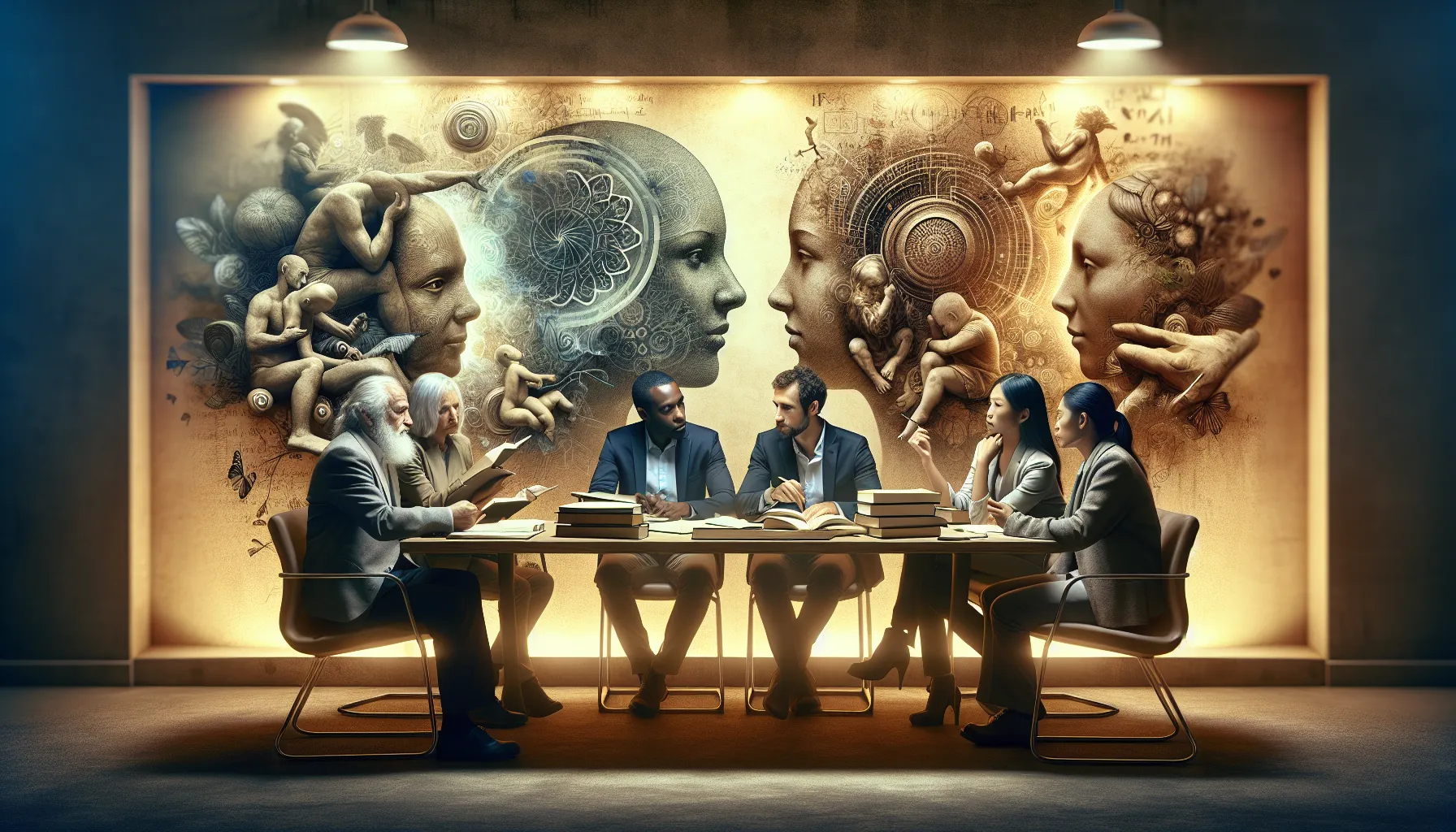
The term “θναλομε” has roots steeped in ancient traditions, where we first encounter its essence in Greek philosophy. This fascinating concept intertwines with ideas about life, death, and everything in between. It invites us to contemplate the boundaries of our experiences, coaxing us to explore what lies beyond.
Tracking its journey through time, we find references in early writings, where thinkers pondered mortality and existence. The ancient Greeks didn’t just see life as a linear path: they recognized the cycles and the potential for transformation. The origins of θναλομε unveil a rich tapestry of insights, urging us to rethink traditional narratives of life.
Cultural Significance
Throughout history, various cultures have embraced the idea of θναλομε, each adding its unique flavor. In Eastern philosophies, we see it echoed in concepts of rebirth and the interconnectedness of life forces. Conversely, Western narratives often grapple with the finality of existence, contrasting sharply with the circular patterns celebrated in Eastern thought.
From art to rituals, cultures creatively express this concept, reflecting a longing to transcend the ordinary. Festivals honoring life after death showcase how ingrained this idea is: it’s a collective acknowledgment of the unknown that follows life. By embracing θναλομε, we can appreciate not just our fragility but our enduring spirit.
Philosophical Interpretations
Philosophers have dissected θναλομε numerous ways, each perspective offering new layers of understanding. We often find ourselves wrestling with questions like, “What does it mean to live fully?” or “How does our perception shape reality?” From existentialists who emphasize individual experience to theorists who view the universe as a unified entity, the discourse stimulates profound dialogue.
One compelling interpretation centers on the idea of existence as a canvas. We paint our experiences, emotions, and beliefs, creating a vivid portrait of who we are. Each stroke represents a choice, allowing us to embrace the concept of θναλομε as not only a reflection on mortality but also as a blueprint for living authentically.
Applications in Modern Society
In our fast-paced world, it may seem that the concept of θναλομε finds little application. Yet, we encounter it in various contexts, from self-help movements to innovative approaches in business and education. Mindfulness practices embrace this idea by encouraging us to live in the present, valuing each moment as fleeting but significant.
In corporate structures, companies are now fostering cultures that celebrate creativity and individuality. The emphasis on psychological safety reflects a desire to move beyond traditional hierarchies, allowing every voice to resonate meaningfully. Here, θναλομε helps us recognize that potential for transformation exists in every aspect of life, both personally and professionally.
Critiques and Controversies Surrounding Θναλομε

But, it’s not all sunshine and rainbows when it comes to θναλομε. Critics argue that an overemphasis on this idea can lead to a neglect of practical considerations. The idealistic notion of transcending limits may cause individuals to overlook the concrete challenges of everyday life that require our attention.
Also, in some philosophical circles, there’s concern that a relentless pursuit of meaning can foster disillusionment. By examining these critiques, we’re invited to balance our pursuit of transcendence with a healthy dose of reality. It’s crucial that we recognize the limitations of our understanding while still striving for growth.


